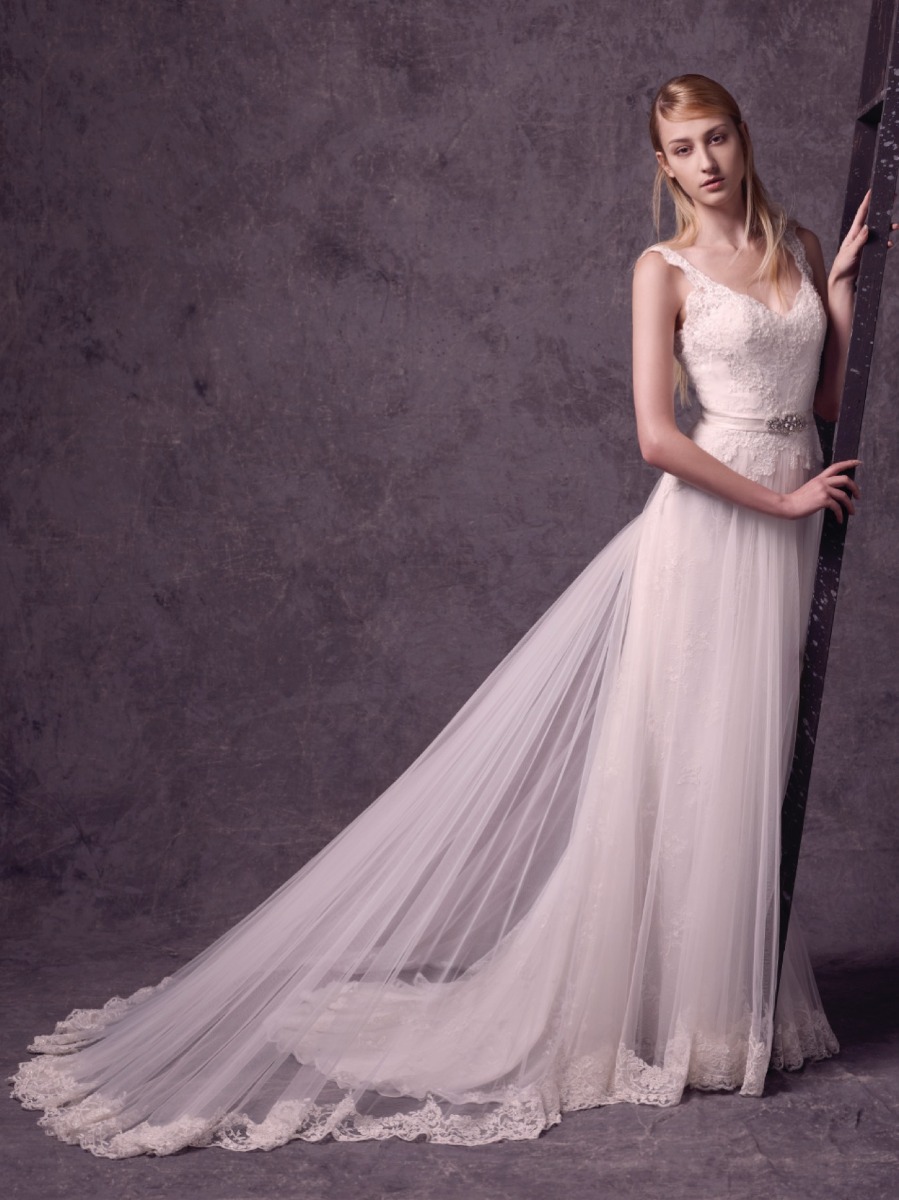
In clothing, a train describes the long back portion of a skirt, overskirt, or dress that trails behind the wearer. It is a common part of a woman’s court dress, formal evening gowns or wedding dress.
COURT DRESS WITH LONG TRAIN
TYPES OF TRAIN IN FASHION:
COURT TRAIN
DOUBLE TRAIN
FISHTAIL TRAIN
DEMI – TRAIN
Court train – Worn for formal court occasions, the court train had to fall in with strict dress codes which differed from court to court. For example, the French court code set in 1804 by Jean-Baptiste Isabey prescribed a four- inch maximum width for embroidered train borders for non-Royal wearer.
In bridal terminology, a court train is a narrow train extending 1 metre behind.
Double train – Two trains attached to the same dress or a single train divided into two trains.
Fishtail train – A train popular at various times from the 1870s onwards, flaring out from midway down a close-fitting skirt.
Demi-train – A short train formed by having the back of the garment slightly longer than the front.
Wedding dress:
Trains in modern (20th and 21st century) bridal wear have their own terminology:
Cathedral train – also known as a monarch train, this can measure up to eight feet (2.4 metres). A royal cathedral train is considered the longest, most formal train, measuring up to ten feet (3.0 metres) or more.
Chapel train – a medium length train up to five feet (1.1 to 1.5 metres) long.
Court train – in bridal terminology, a court train is a narrow train extending 1 metre behind.
Sweep train – a short train that does not necessarily reach the floor. It is so called because it might just sweep the ground.
Watteau train – a modern version of the pleated backs (called ‘Watteau pleats’) seen in 18th century sack-back gowns.
Minimalist fashion, sometimes referred to as classic fashion, was part of an artistic movement that began in the late 1950’s.
Sleek, clean, unfussy and understated designs that were reflected in everything from fine art, furniture architecture and of course fashion.
Minimalist style is a very literal interpretation of shunning anything extravagant or frivolous.
In the fashion world, this means, no busy prints, no flouncy ruffles, tassels, ribbons or bows… this goes for men too.
Minimalism is not about abandoming pattern or print.Minimalism to be a philosphy that involves an overall sense of balance, knowing when to to take away, subtract.
It’s an indulgence in superbly executed cut, quiet plays of color tones and clean strong shapes.“
Some examples of minimal garments include:
A simple tailored jacket A winter coat A designer little black dress A minimal tuxedo One single handbag A minimal watch
Black and White:
Black and white is simply a classic that will never fad. The high contrasting colours are very easy to wear and you never have to worry about what colour accessories to pair with it.
All Black:
Black is the most slimming colour you can ever wear. It will always be flattering on every body type and wearing black jeans or leggings with heels will always give you the illusion of longer and slimmer legs.
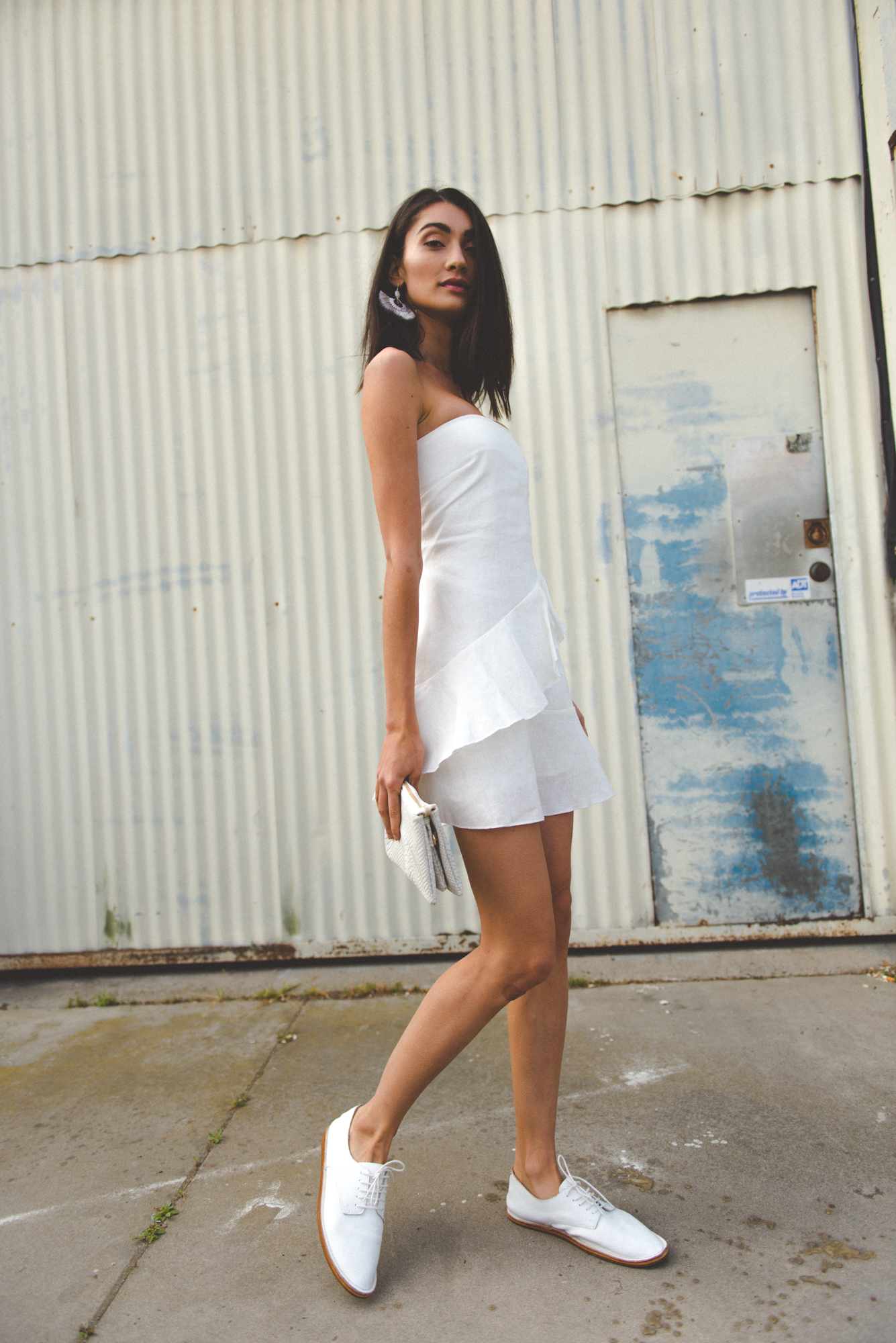
All White:
No colour is more fresh and crisp than white. It’s an absolute head turner.
Showing some skin:
Exposing selected parts of your body is another striking way to rock minimalist dressing. Pushing the boundaries of fashion in a tasteful manner is knowing how to show the flirty feminine parts of your body like your shoulders, your back, your collar bone while keeping it classy.
A very Victoria Beckham thing to do is to show some skin.
ADD A POP OF COLOR:
Wearing monochromatic outfits but feeling little bored , why not try to add a pop of colour like yellow, pink or any bright colors to add little interest to the whole outfit.
Neutrals
Neutrals are far from boring. They are the whole foundation of your wardrobe. With these hues, you’ll find that everything always matches and you can wear them over and over again and people won’t even notice.
Yes,it is technically called “NAUTICAL FASHION STYLE”.
HISTORY:
Nautical refers to the sea and to ships. There is a romantic image of life on the sea reflected in a navy jacket with brass buttons, a crisp white sailor’s uniform, a sou’wester hat and yellow slicker, or a fisherman’s sweater. All sailors and those whose occupation depends on the sea deal with the unpredictable nature and allure of the sea. Historic traditions in nautical dress continue to influence modern nautical clothing.
The “Jack-tar” describes a sailor of sixteenth century Europe who wore a waist-length tarred leather jacket and hat for water protection. With the birth of an official Navy uniform in England during the mid-eighteenth century, there was a more noticeable distinction between the occupational dress of a sailor and a fisherman. Blue and white with gold and silver trim for officers was the designated color palette for the Navy. This was the origination of the term “navy blue.”
Women in Sailing:
Women have historically been on shore professionally until 1942 when the U.S. Navy began to allow women to serve in positions on ships. Their uniforms were similar in style to the men’s with the addition of a skirt. A 1931 Vogue cover shows a woman in full bell-bottom navy slacks with a red, white, and blue striped top designed for lounging rather than rough seas. A later 1956 image shows a woman on a small dinghy wearing cropped denim jeans, a white “sloppy joe,” white deck shoes, and red bandanna on her head. This outfit is intended to be comfortable and functional, but designed only for good sailing conditions
DEFINITION:
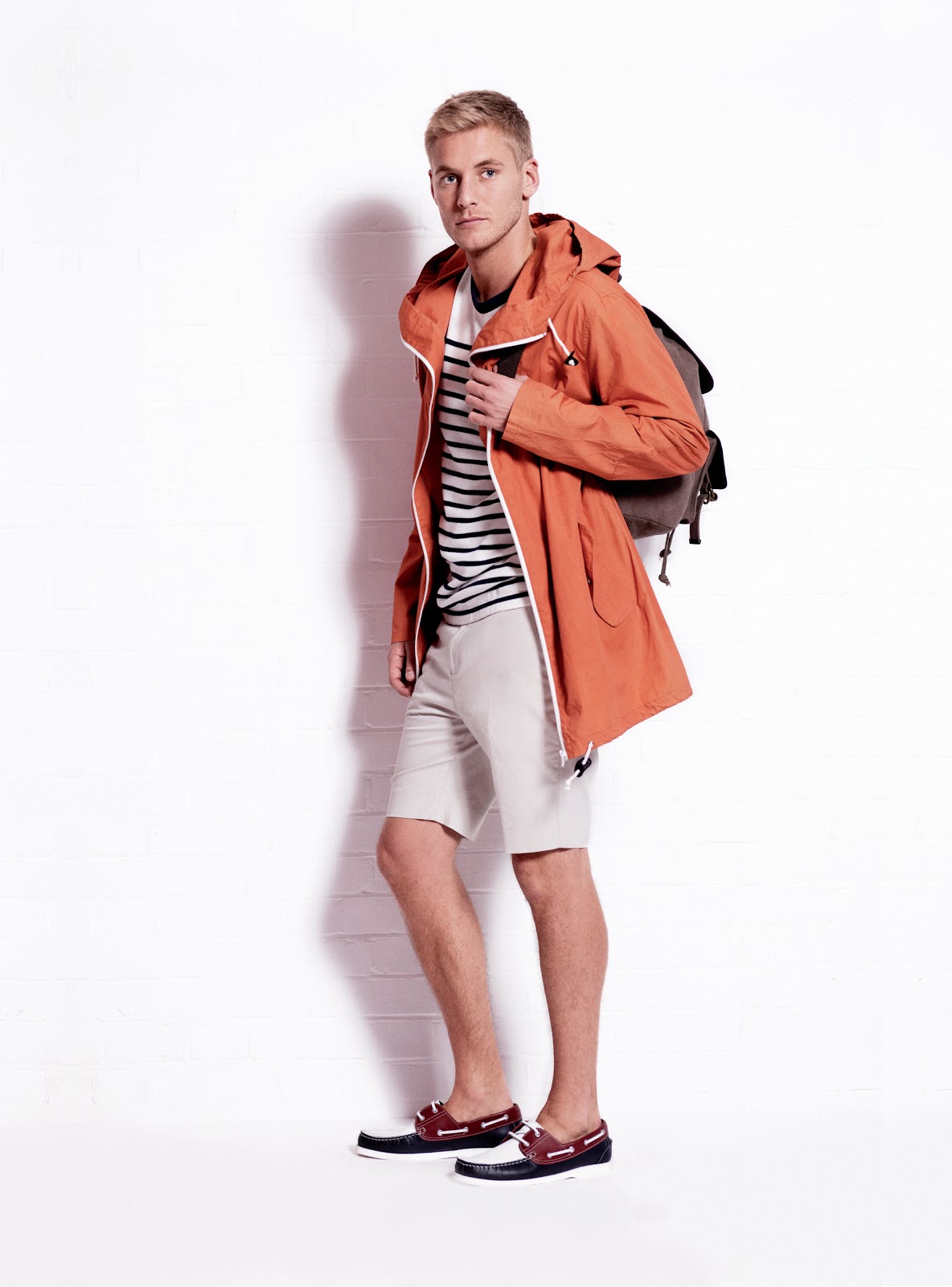
When one thinks of the nautical look, vertical blue and white stripes are typically the first thing to come to mind. For the full effect, opt for a fitted tank, tee, or sweater that features the ever-popular pattern, and pair it with your favorite pair of navy slacks, dark denim jeans, a navy skirt, or even khaki bottoms. Stripes can be less than slimming, so consider a waist cinching accessory to add definition to the look—extra style points will be awarded if said accessory just so happens to be red. Pair your outfit with flats, heels, or even boat shoes, to create a perfectly fun and casual look.
If it is a more subtle effect that you are looking for, opt for a nautical color scheme, with white on the top and blue on the bottom. Just maximize some of your favorite tops and bottoms to create an entirely new vibe. Add in a few splashes of bold red with your accessories, and you have a chic, seafaring look that can be worn everywhere from a picnic to your office.
BEAUTY:
Bold red lips, cat eye liner, and clean, flawless skin are the perfect complement to a nautical outfit. The trick is to enhance, not overwhelm, and to showcase your impeccable fashion sense.
An artful application of winged black eyeliner, dewy rouged cheeks, and a glossy red pout will pull your whole look together.
The nautical look is a fun fashion trend to try, and one in which vertical blue and white stripes, red accents, and even anchor patterns take center stage
Street fashion is fashion that is considered to have emerged not from studios, but from the grassroots streetwear. Street fashion is generally associated with youth culture, and is most often seen in major urban centers. It originated from the Californian surf and skate culture. But today major designers, brands and influencers all have embraced this style and it is not confined to the streets anymore.
2.ETHNIC FASHION:
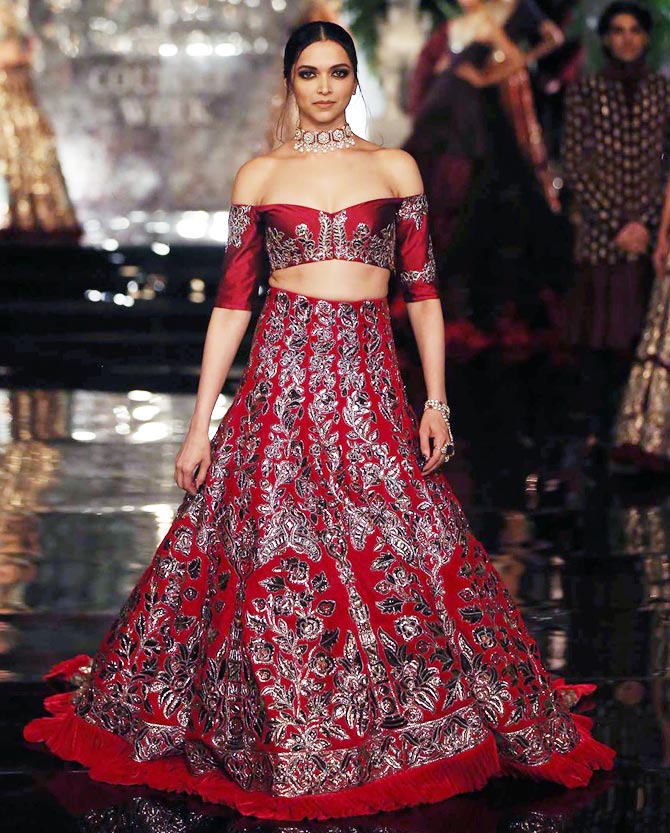
This refers to clothing adopted completely or partially from traditional costumes of different nations. You can tell how deeply rich and diverse a country is based on their ethnic wear. This includes Indian lehengas,salwar suits and kameez, Mexican peasant blouses, Afghan coats, Japanese Kimonos, Tunics and Kaftans from the east, colourful bandanas from the gypsies that people all of the over the world have adopted as their own.
3.FORMAL OFFICE WEAR:
This includes tuxedo or formal dark suit and matching tie for men and appropriate dresses, skirts, shirts, trousers for women. You may not be able to escape this section of fashion style if you want to shine in your office.Formal attire” being the most formal dress code, it is followed by semi-formal attire, equivalently based around daytime black lounge suit, and evening black tie (dinner suit/tuxedo), and evening gown for women.
4.BUSINESS CASUALS:
A blazer and a matching pant or khakis with a formal collared shirt and optional tie is the most commonly seen business casual for men. Sports jackets are also used in a more casual setting. For women, slacks or skirts with proper blouses/tunics with a suitable jacket constitute business casual.
5.SPORTY:
Active wear is an alternative name for sportswear.Most of the sportswear is made in fabric that is comfortable enough to be worn anywhere and stretchy enough to be form-fitting and attractive, without losing its shape
Leggings, tank tops, sports bras, outerwear, polo shirts, yoga pants are all the staples if you want to follow this trend. The major sports brands include Adidas, Puma, Altura, Fila, DKNY.
6.GOTHIC STYLE:
GOTHIC FASHION(black clothing, heavy coats, poet shirts, big boots, makeup).The gothic fashion refers to a dark mysterious style of fashion which verges on the edge of morbidness; you may have heard of it as dressing like the vampires. This style is associated with teenagers and rock musicians who dress exclusively in black but it is a lot more than that.
7.LOLITA STYLE:
It is a cute fashion meant for the teens and girls in their early 20s. The wardrobe in this fashion would include frilly petticoats, dresses with puffy sleeves, cute headwears, printed socks, light jackets, cute collars, cuffs and gloves. Lolita fashion is best known for its cross over into Gothic style and the wide array of sub-styles represented by its practitioners. Most often, Lolita fashion refers to those who wear skirts or dresses to their knees, a petticoat, long, often times monochromatic socks, and a wide array of accessories covered in lace or ribbon.
8.HIPHOP STYLE:
Hip hop is the most popular music genre in US and the style of the rappers are copied by the fans in hoards.You will find baseball jerseys, bomber jacket, jeans in this style.
9.PREPPY STYLE:
This style is personal favourite .”Prep” style clothing comes from “the prep school look”; the smart students aiming for college and professional careers. It has a focus on smart, classic, understated looks. But this look has a fun side, as it combines fun prints with bold colors to create a modest and classy look for young adults.
10.COWGIRL STYLE:
It’s not hard to point out a gal that wears the cowgirl fashion style! In this particular style, there’s a few staples that are an absolute must for the wardrobe: undoubtedly an adorable cowgirl hat, typically in either some shade of brown or pink, a pair of flared blue jeans with western themed leather belt, denim jacket to match, a pair of cowgirl boots.
11.GIRL NEXT DOOR STYLE:
A girl next door is a sweet caring simple girl and this unassuming style will belong to her. This is a sweet and simple laid back style with the most comfortable clothes including slip dresses. This trend focuses on simplicity and cuteness, Comfortable graphic tees, simple sundresses with a striped tee,shorts, and tennis shoes enough to make her happy .This fashion style doesn’t pay attention to the latest trends and doesn’t involve anything wild or exotic. At the end of the day, she just wants to be adorable and casual!
12.CASUAL CHIC STYLE:
Casual chic attire basically requires that you mix a dressy element, like tailored slacks or a very feminine blouse, with something completely informal like a leather jacket or a pair of jeans. Casual chic is not so much a style as an attitude towards fashion. It allows you to look stylish and laid-back without looking too “done-up.”
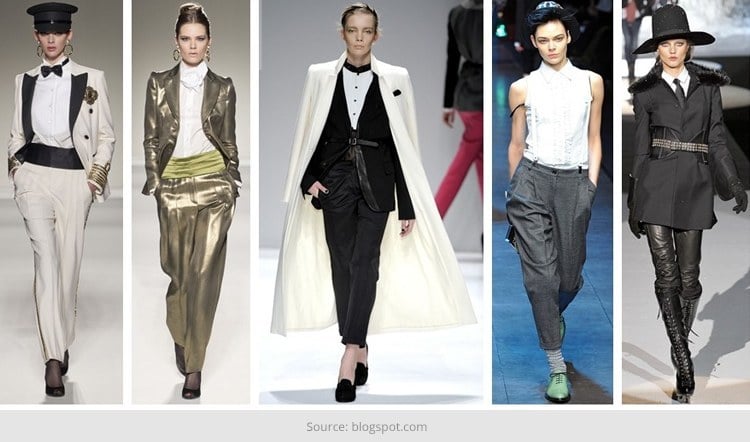
13.ANDROGYNOUS STYLE:
Androgynous fashion is a style that aims to avoid gender stereotypes. The androgynous dress or style themselves to look like neither a typical boy nor a girl. In the past androgynous fashion has held a huge stigma, with its ties to the feminist and LGBTQA communities. But in modern fashion,androgyny has become far more accessible.
Loose-fit blouse and jeans, leather or tailored jacket, and shiny loafers/pumps. Rugged menswear is combined with feminine elements to get this look right.
14.TOMBOY STYLE:
Tomboys are anything but dowdy; in fact, this style can easily be described as simple and modern. Girls who wear the tomboy look don’t like to wear frills or lace, pinks or other bright colors. They prefer the boyish look, typically wearing jeans with a graphic tee or button-up and a pair of flat shoes to match.
15.ARTSY STYLE:
Women who enjoy the artsy style tend to stay away from the traditional ‘trends’ of the fashion world and love to makes a statement with their clothing. Oftentimes they will be the creator of their own fashions, designing and creating their own blouses, hats, and jackets. Each artsy style will be different per woman, as everyone has their own idea of what ‘art’ truly is. That’s what makes this particular fashion style so unconventional and interesting.
16.GRUNGE STYLE:
The staples of this style include leather jackets, flannel shirts, metallic jackets, ripped denim, crop tops, cool slogan t-shirts, combat boots, fishnet stockings, beanies, mom jeans, and slouchy sweaters. Baggy, torn and messy clothes are constants in this working class fashion style.The look often has a thrift store vibe, with lots of layering. For instance, a long-sleeved T-shirt might be worn under a tank top, topped off with a baggy cardigan sweater or hoodie jacket. A plaid shirt or sweater might be tied around the waist.
17.PUNK STYLE:
The punk fashion style is all about SCREAMING edge and attitude. Punks like to wear plenty of leather- especially when it comes to jackets and pants- and they wouldn’t be caught in the streets without studs, spikes, and chains. They tend to also indulge in spandex and wild animal prints as well as band tees, boots, and skinny jeans.
18.BOHO STYLE:
Boho is the modern-day variation of the hippie style. Adapted to the modern sentiments this style uses clothes made of natural materials or things which are handcrafted. The colourful nature of this style and the free-spirited way can be seen in the relaxed fit of all the clothing belonging to this type, for example the flowing or billowy maxi dress.
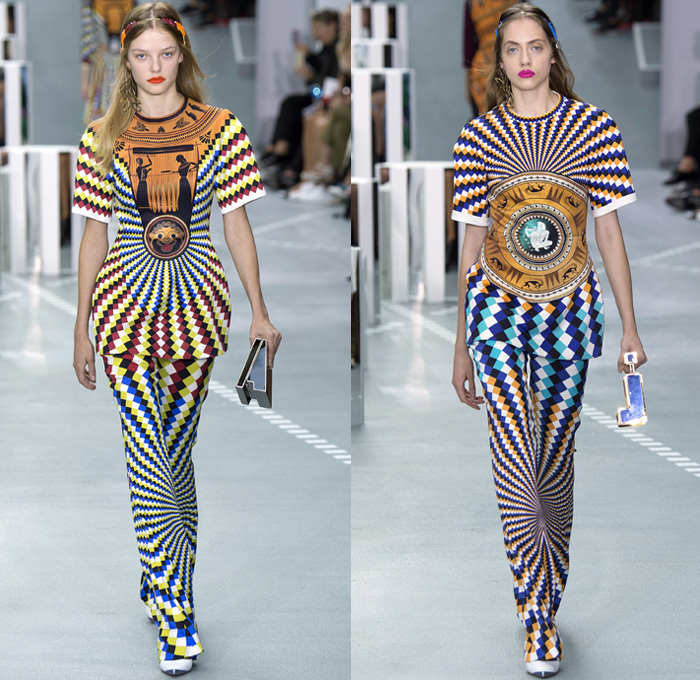
19.PSYCHEDELIC STYLE:
This is a colourful fashion stye which is a combination of many styles – clothes are mostly in colourful printed fabrics. Intense and bold colours were mostly used like purple and orange. Psychedelic fashion enhanced the whole hallucinogenic experience with its bright colors and bold patterns.
20.MODEST FASHION STYLE:
This refers to a style of clothing that is loose fitting, comfortable and modest with very less skin revealing. It is usually associated with religious beliefs or a liking for androgynous clothing. Long length tunics are typical of this style.
21.FLAMBOYANT STYLE:
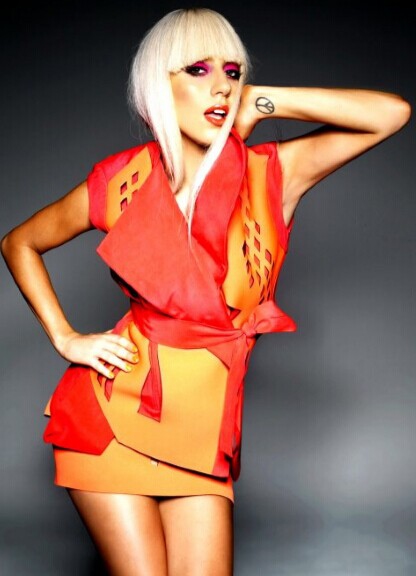
This is a style characterized by startling colours and exaggerated styling, meant to grab attention.
Fashion is a constantly changing sequence of trends whereas style is something a lot more permanent and it describe one’s indiviuality.
“Style is very personal. It has nothing to do with fashion. Fashion is over quickly. Style is forever.”
– Ralph Lauren
Fashion is fad[ Fads are objects or behaviors that achieve short-lived popularity but fade away.]
Style on the other hand is unique, and very personal. Your style could be more about comfort than fashion, but by cultivating your own unique style you have adopted that innate capability now to be charismatic and confident.
The garments produced by clothing manufacturers fall into three main categories,
Haute couture [high fashion]
Pret- a- porter[Ready To Wear/RTW]
Mass market
HAUTE COUTURE[HIGH FASHION]
HAUTE COUTURE OUTFIT INSPIRED FROM MANDARIN FISH
Haute couture is derived from French word called “HIGH IN SEWING”.
A couture garment is made to order for a specific client, and usually made from high quality,expensive fabric,hand-executed techniques sewn with extreme attention to detail and finish.
Look and fit take priority over the cost of materials and the time it takes to make.
The high cost of each garment makes little direct profit to the fashion houses.
READY TO WEAR
READY-TO-WEAR SKETCH[high waist suspendor skirt with slits on both sides]
Ready -To-Wear clothes are a cross between haute couture and mass market.
They are not made for indiviual customers,but great care is taken in the choice and cut of the fabric.
clothes are made in small quantities to guarantee exclusivity,so they are rather expensive.
The collections are usually presented by fashion houses each season during fashion week.
It occurs twice a year, the main seasons of fashion week includes SPRING/SUMMER, FALL/WINTER, Resort, bridal and swim wear
MASS MARKET
CASUAL WEAR SUITABLE FOR MASS MARKET
The fashion industry relies more on mass market sales.
It caters for a wide range of customers, producing ready-to-wear garments using trends set by the famous name in fashion.
Inorder to save money and time they use cheaper fabrics and simple production techniques mostly done by machines.
The first fashion designer who was more than a simple seamster was” Charles Frederick Worth“, in the 19th century. Before he set up his fashion design house in Paris, clothing was made by anonymous dressmakers and fashion standards were derived from the styles worn by royalty. Worth was the first designer to actually dictate to his customers what to wear rather than following their demands.
His fashion house became so famous
that people were able to attach a face and a name to designs when they knew
they were from the House of Worth. This was the beginning of the tradition to
have a designer of a house not only create clothing, but also represent the
symbol of the brand.
Basically the print is inspired from kurumba tribal art form from Ooty, Tamil Nadu.this art form is inspired from their tradition(dance, musical instruments,harvesting Festival, etc) .. So i planned to incorporate their art into prints as it give simple and edgy look..
OUTFIT DETAILS:
Style:dressy chic
Color:pink and grey
Fabric: rayon cotton and cotton
Kurumba printed long jacket with zipper has its v slit at front.
Worn with contrast color shorts to finish the look
















 fashion knowledge